Showing posts with label Iraq. Show all posts

Tuesday, July 23, 2013

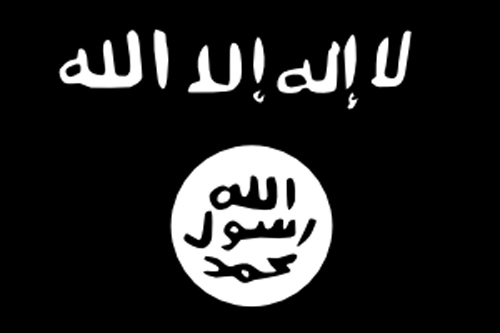
Al-Qaeda says its prison raids in Iraq freed 500


Al-Akhbar reports:

Al-Qaeda claimed responsibility for simultaneous raids on two Iraqi prisons and said more than 500 inmates had been set free, in a statement posted on militant forums on Tuesday.

The Islamic State of Iraq and the Levant, which was formed earlier this year through a merger between al-Qaeda's affiliates in Syria and Iraq, said it had carried out the attacks on Abu Ghraib and Taji jails after months of preparation.

"The mujahideen (holy warriors), after months of preparation and planning, targeted two of the largest prisons of the Safavid government," said the statement signed by the Islamic State of Iraq and the Levant (ISIS), using a pejorative term for Shiites.

The statement, posted on jihadist forums, comes as security forces were Tuesday hunting for the escapees, said by MPs to number at least 500.

The attacks struck Abu Ghraib prison, west of Baghdad, and a prison in Taji, north of the capital, on Sunday night, though accounts differed as to whether inmates escaped from both sites, or just from Abu Ghraib.

A high-ranking security official told AFP on condition of anonymity that the escapees included high-ranking Al-Qaeda members, and that they will likely attempt to launch revenge attacks.

"Dark day are waiting for Iraq. Some of those who escaped are senior leaders of Al-Qaeda and the operation was executed for this group of leaders," the officials said.

"Those who escaped will work on committing acts of revenge, most of which might be suicide attacks," he added.

In what appears to have been a carefully-planned operation, militants waiting outside the jails launched their attacks after the prisoners inside began rioting.

"The first information we have indicates that the incident started from inside the prison," the official said.

"There were riots and then the prisoners took control of some guns and called the groups that were waiting outside," he added.

Militants then pounded the buildings with mortar rounds, bombs and gunfire, sparking clashes with prison authorities that raged for 10 hours. At least 20 security forces members and 21 inmates died in the unrest.

Officials have declared "a curfew around the two prisons, where ongoing search operations are being conducted," justice ministry spokesman Wissam al-Fraiji told AFP.

Fraiji said that 108 escaped prisoners had been recaptured, and reinforcements from the interior and justice ministries have been sent to the two prisons.

The assaults and mass escapes "affect people's trust in the security forces and in the government, because people will start to worry that the criminal can commit a crime, go to prison, and then get out easily," said Ali al-Haidari, an Iraqi expert in security and strategic affairs.

"What happened puts the government in a very embarrassing situation. What we saw was a huge attack with large numbers of fighters, and it seems that the guards of the two prisons were not able to stop such an attack," he said.

Tuesday, November 13, 2012

Iraq denies cancelling $4.2 bln arms deal with Russia over 'corruption concerns'

RT reports:
 

Iraqi Prime Minister's spokesperson Ali Mussawi told RT that the deal hasn't been cancelled, it is simply under review. He also confirmed it was because of earlier allegations of corruption from the Iraqi side.

Iraqi Defense Minister Saadun al-Dulaimi also confirmed that there was no cancellation of the agreement.

"The deal is going ahead," he said.

Earlier, media reports claimed the deal – which would have made Russia Iraq’s second-biggest arms supplier after the United States – was cancelled.

“When Maliki returned from his trip to Russia, he had some suspicions of corruption, so he decided to review the whole deal. … There is an investigation going on, on this,”Iraqi Prime Minister Nuri al-Maliki's spokesperson Ali Mussawi said.

The deal – which was signed by Russian Prime Minister Dmitry Medvedev and Maliki in October – will either be go through or be cancelled only after the Iraqi anti-corruption committee presents it findings.

Officials in Moscow have not yet commented on the matter. The Russian embassy in Baghdad said it has not received word from the Foreign Ministry, and was not informed about the cancellation by Iraqi officials.

The sale was signed by Russian Prime Minister Dmitry Medvedev and Maliki in October, and would have made Russia Iraq’s second-biggest arms supplier after the United States.

The deal is one of the largest in both the modern history of Russia and for postwar Iraq.

Experts speculated that the package likely would have included shipments of aircraft, helicopters, armored vehicles and air defense weapons.

Though the details of the deal were kept secret, military analysts believe it was competitive enough to spark concerns in Washington, the primary arms dealer for Iraq.

Military experts speculated that the deal may be cancelled due to pressure from Washington, and may result in punitive sanctions.

Director of the Center for Analysis of World Arms Trade Igor Korotchenko told RIA-Novosti news agency that if the deal does get axed, it would be an unprecedented event in the history of Russia's arms trade

“Self-respecting states and governments don’t act this way,” Korotchenko said.

RIA-Novosti also quoted an unnamed arms expert who warned that Iraq may incur harsh sanctions for the move: “If the deals were drawn up in a proper way from the legal point of view, the Iraqi side may suffer multi-million dollar losses by paying off punitive fees.”

The expert went on to add that statements about suspected corruption have never been a legitimate basis for the annulment of contracts, especially in military-technical cooperation.

Thursday, November 25, 2010

US Jarheads "Winning the hearts and minds" in Iraq


-------

Commentary: What this testosterone-poisoned moron clearly does not realize is that these "fucking pussy cowards with their thumbs up their ass" (as he so delicately puts it when talking about, and to, the Iraqi Shia) have comprehensively defeated every single US tactic and strategy in Iraq and have won both the civil war and the war against the occupation.  

It is rather pitiful to listen to this idiot calling them "unmanly" and saying that he can beat up anyone of them when in reality, they have already beaten him and his entire military into a bleeding pulp.

Even more pathetic is he outrage at the fact that one of them smiles.  I would suggest that these Iraqis are true masters of self-control for not rolling around on the ground in hysterical laughter at the sight of this hybrid between Robocop and a Neanderthal thinking that he and his likes would ever rule a country with 5'000 years of history and which has seen invasions far more impressive that Dubya's truly pathetic army.

I can just image how much these Iraqis despise these dumb jarheads...

Wednesday, January 20, 2010

No friends but the mountains - The Saker interviews Zerkes from Kurdistan

It has been three years now since I interviewed Mizgin, a pro-PKK Kurdish blogger who very kindly introduced me to the topic of the struggle of the Kurds for self-determination and my interview with her was mostly about the 'inner' aspects of the Kurdish struggle. Today, I am publishing another interview with a Kurd - Zerkes - but this time the interview deals mostly with the "regional picture". The regions inhabited by Kurds include areas of Turkey, of course, but also Iraq, Iran and Syria and there are substantial pockets of Kurdish population in Armenia, Azerbaijan and Turkmenistan (while the Kurdish diaspora covers the entire planet). Kurds therefore often have a uniquely well-informed insight into what is happening in the Middle-East and Caucasus region. In addition, Turkey is clearly a major player and some of my questions for Zerkes dealt with what is happening inside this country about which so little information reaches me.

I am very grateful to Zerkes for taking the time to answer my questions. For more info on these and other topics, make sure to visit Zerkes' blog.

The Saker: how would you assess the socio-political climate in Turkey? How are the military and the Islamic parties balancing each other out and what do you see is the general "mood" of the "street" so to speak?

Zerkes: I will answer this question in two parts. First by focusing on the people on the street and then by focusing on the political dynamics.

First, it's for sure that Turkey is changing rapidly these days. For the first time since the beginning of the republic some people started questioning the military. These people would have never imagined the beloved military could be corrupt, its members involved in thousands of disappearances, kidnapping, prostitution, arm and drug trade, etc. This is extremely confusing for Turkish people who are willing to open their eyes, listen, and think. Kurdish people already knew all of these since they were the victim but nobody listened to them for so long which is why they ended up starting their armed struggle. When Kurds look deep into what's happening now, the whole operation feels like "giving the state a face lift" without honestly facing the problem and curing it. A number of retired colonels have started committing suicide recently and Kurds somehow don't believe these thugs all of a sudden developed some morals and started feeling guilty all together.

Not too long ago some of military's projects to pay for making movies and tv series with explicit company/person names leaked to the media. The societal manipulation tools that were only available to the military and the deep state (forming secret organizations, making of movies and series such as "Breath/Nefes", "Valley of the Wolves", etc.) are now available to the current government too. These projects are really bad imitations of "loyalty building projects" you can see in the USA. The people (some of whom are "reporters") who make these and/or direct these media projects are closely affiliated with the military or Turkish Secret Service (MIT). Some progressive Turkish writers have started writing about these projects.

If I were to try to put the mood for non-Kurds in one word, I would call it schizophrenia. Turkish people, for the first time are hearing some of the atrocities their security forces have committed against Kurds and other people but they have extreme difficulty with coming to terms so a lot of them are going back to extreme nationalism/racism and attack anything that challenges their belief. Such people are demonstrating hatred against anyone who is different (they recently attacked gypsies in a town and made the gypsies leave the town and their reasoning was because gypsies lived better). Lynching moves toward Kurds in western part of Turkey are on the rise. Kurds get attacked simply because they speak Kurdish or sing a Kurdish song. The police just watches and then arrests the people who get attacked while those who attack are praised by being sensitive and loyal citizens.

The word I would use for the Kurdish side is disappointment. The state and the government want to make sure everyone knows who the boss is. Turkish state and government repeat at every chance that their main goal is annihilation of the PKK, there cannot be education in mother language and things a like. The state and government's main goal seems to be to disarm Kurds, divide them, and then consume the natural resources and make sure that no Kurdish identity is left. You can see this mindset in some rhetoric used against assimilated Kurds already. Since Kurdish was banned for such a long time and people couldn't get educated in their own language some of them cannot speak Kurdish. The rhetoric used against them is that they have no right to ask for anything since they cannot even speak their own language.

The closure of main Kurdish political party DTP and arrests of Kurdish politicians (and those that also got banned from participating in politics) is nothing but response to local elections of 2009 in which Kurds won big time against the current government despite all the support the government received from the police, military, governors etc in Kurdistan. Heck, the government offices were acting like election bureaus of AK Party. If the goal of Turkish side was to end armed clashes and encourage Kurds to participate in political process, Turkey wouldn't have arrested all the Kurdish politicians, handcuff them, and escort them in a single line to the prison while serving its pictures to the press. These politicians have never ever took part in any armed resistance. They did speak for Kurdish rights though. In fact these have been the people who never backed down despite all the threats they received and had their friends or family members assassinated. There is actually something depressingly funny. When DTP was closed, among people who were banned from politics because they were DTP administrators was a shepherd who wasn't a politician. Gordon Taylor, a blogger has published about it. The question is if cows will get banned from voting!

Politically (the state and government), what you are seeing in Turkey now is balancing of the current government's strength with that of the military's. This is being supported (and engineered) by the USA and help comes through providing intelligence to the current government on the Ergenekon case and similar issues. This is not to say the current government and the military hate one another. They are actually in agreement. The biggest project they have is to suffocate the Kurdish question by removing any defense Kurds may have (currently the PKK/HPG) and then force them into submission.

We should ask then. Why should PKK cease to exist? Let's look at the big picture first. US and EU have a Greater Middle East Project (GMEP) and the planned oil and gas pipelines extending from South Kurdistan (North Iraq) all the way to Europe, running through Turkey necessitates Kurds not disrupting the oil and gas flow (there is flow of another merchandise but we will come to that later). This means solving the Kurdish question or pacifying it. The other face of the medallion is that the GMEP requires Turkey be a regional power, much stronger than Iran and with much influence. So, in a nutshell, US will be playing it's cards in the region through a Muslim country which is Sunni.

Can a country which is constantly losing blood and is distracted by its internal issues be a regional power? Hardly. So the Kurdish issue has to be "resolved" one way or another. From what I can see so far, Turkey doesn't want a solution that would result in say autonomy for Kurds or even mention of the words Kurd or Kurdistan in the constitution. Education in mother tongue is strongly opposed as well. To be able to dictate its terms on Kurds freely, Turkey is trying to annihilate the PKK by collaborating with US, EU, and other countries in the region. Everyone pretty much seems on board. PKK hasn't killed even an American chicken and yet it's being declared as common enemy by the USA.

The Saker: what do you make of the Turkey-Israel alliance? Is that something imposed by the USA, or do Turkey and Israel work directly together, and sometimes even against the USA as is strongly suggested by Sibel Edmonds?

Zerkes: Turkey and Israel go way back and they are allies. It wouldn't surprise me if Israel and Turkey formed alliances which would be against US interests because Israel and Turkey both need one another desperately. Israel needs Turkey because it's the only country in the region that Israel can rely on, train its military with, get water and crops from, etc. Turkey needs Israel because it constantly balances out Arabs and Iran. It's no secret that Israel is the biggest supporter of Kemalism which is the official ideology of the state and its military. Israel has very strong ties to Turkish military.

I have to make a statement on the current rifts between Israel and Turkey. My opinion is that these are carefully crafted shows to strengthen Turkey's position in the Middle East so it can safely reduce Iran's effect. Arab countries already started gravitating toward Turkey and forming alliances with Turkey. This is exactly what US and EU want. While these small crises seem to be harmful for Israel they only do minor short term harm to its reputation. In the long term, Israel actually wins because if the plans go well, in the long run, Iran's influence will be weaker and Arabic states will be under Turkey's hand and we all know Turkey in the NATO and will probably be a EU member or will be given a special status.

The Saker: what can you tell us about the role and objectives of Turkey towards the Caucasus in general and Russia, Chechnia and Georgia specifically. The Chechen insurgents used to see Turkey as a friendly "rear-base", what has happened since the (relative) defeat of the Chechen insurgency in the 2nd Chechen war?

Zerkes: I am not very knowledgeable on the Caucasus but from what I hear and read, I can tell you that most of the right wing criminals go to Azerbaijan or other Turkic states in the Caucasus to have more training and continue their activities such as drug and arms trading. Turkey is trying to have serious influence in the region especially through Gulen movement. Gulen movement was founded and is lead by an imam named Fethullah Gulen who currently lives in the USA.It's basically promoting Turkish-Islam synthesis. The movement is big all over the world, particularly strong in Turkey. The current government is basically composed of Gulen's followers. Who is Fethullah Gulen? I quote from Rasti:

Who is Gulen?
Fetullah Gulen is "a 67-year-old Turkish Sufi cleric, author and theoretician," according to a recent profile in the UK's Prospect magazine. Prospect ran a public poll last month to find the world's greatest living intellectual. Gulen 'won' the poll after his newspapers alerted readers to the poll's existence. Gulen is also the leader of the so-called 'Gulen Movement' which claims to have seven million followers worldwide. The Gulen Movement has extensive business interests, including "publishing activities (books, newspapers, and magazines), construction, healthcare, and education."

The full article can be read here

You can also read about Gulen movement, CIA, and turkish deep state ties here

There is actually a nice article titled "Uighur Nationalism, Turkey and the CIA" at Terrorism-illuminati.com summarizing Gulen movement, it's ties to CIA, and use of Gulen movement on Brzezinski’s Grand Chessboard, specifically Central Asia. The full article can be read here and I think it's a must read:

To wrap this question up, the Chechens are still well-organized and well-supported in Turkey. I haven't kept up with the details though.

The Saker: I hear a lot of rumors about the Turkish deep state being heavily involved in drug trafficking. How much of a factor in the Turkish deep state's decision-making process towards, say, Afghanistan or the Caucasus is the drug trade?

Zerkes: they are not rumors. It was just a few weeks ago that a drug ring composed of some high level police officers were arrested. A few days ago, it was another ring lead by a retired colonel. While most Turks like to blame PKK for the drug trade (without even thinking how in the earth PKK network could extend all the way to Afghanistan and be sustainable). It's a known fact that the Turkish army tanks, helicopters, and armored vehicles have been used to transport heroin within Turkey.

Recently, one of the Drug lords (a Kurdish person but one of the Kurds who is a model for what kind of Kurds the state has been wanting) Baybasin who is in prison in the Netherlands spoke from the prison to Taraf daily (a Turkish news paper) and revealed some of his ties with high level military personnel (generals) and high level politicians such as ex prime minister Suleyman Demirel and other people deeply involved in the deep state like Mehmet Agar (he is said to have conducted over thousands of operations against Kurdish civilians). Baybasin also revealed the fact that he received counter guerrilla training (Baybasin is referring to training by Ergenekon which is the Turkish Gladio) and talked how they were taking arms to Afghanistan and bringing Heroin in return. Baybasin also mentioned a few of the presents he gave to some high level generals which can be easily verified. One of them was a villa to a general's wife. Baybasin also mentioned something interesting that one of his ships, loaded with heroin, was sank after the drugs were emptied. That heroin was never accounted for (this is not the first time). My guess is that this attitude become a habit at the Turkish side and hence we have the Ergenekon operations today. Bosses never like it when you steal from them. So, if anything, I think the whole operation is to show what happens to those who steal from the bossmen.

Sibel Edmonds also has some great analysis on Turkish state's involvement in drug trade. There is also an article by Kendal Nezan published in Le Monde Diplomatique.

Finally, since US, EU, and Turkey love to blame PKK with drug trade, I do have to state that not one single member of the PKK has been actually tried and found guilty of drug trade. PKK has also offered review of its accounts. Head of KCK Murat Karayilan offered this to USA and EU when USA Dept of Treasury froze the PKK funds in the USA which doesn't exist and also assets of Murat Karayilan which he doesn't have. Karayilan stated that his daily expense is under a dollar. The PKK also constantly makes calls and publicizes names of those who are trying to sell drugs in Kurdistan. If anything, PKK is really becoming a problem for marketing heroin in Kurdistan. Now that US is allowing "farmers" in Afghanistan to start "farming" again, I suppose it would make the flow much easier if PKK didn't exist and there would be more customers too. Also, given the fact that the shady characters associated with the deep state are almost always are linked to the Caucasus, I suspect marketing there and making the Caucasus an alternate or a second route for drug trade is an option. I do believe that would be a safe option for them if they can really secure enough ground. After all Turkic republics will be friendlier to Turks. Having a second line is simple redundancy rule in supply chain management.

It has been well publicized that Heroin trade keeps banks and governments afloat. My guess is that the big boys are desperate for the heroin trade even more today especially given the the current global economic crisis. More drug trade and more oil are needed to keep gears turning but there is a problem. The Kurds and their armed resistance happens to be strategically positioned to disrupt flow of both of them at least on one front and Russia can disrupt it on the other front. We'll wait and see how Russia will play it's cards about this.

The Saker: which political forces do you see as the main allies of Turkey in the region, both as actual allies and as potential allies?

Zerkes: the one and true ally in the region for Turkey will be Israel. Iraq, Iran, and Syria are allies with Turkey against Kurds. Turkey will make Arabic countries allies if it can really pull off the regional leader role given by the US. That will mean savor grapes with Iran. Iran and Turkey are actually competing right now in South Kurdistan. I heard somewhere that Iran has banned/limited activities of Gulen movement in Iran (Russia banned them sometime ago). Turkey is also trying to cut deals with Ukraine to make sure no Kurdish organization supporting Kurdish cause can exist there (same thing it's going in US and EU). Turkey was using the votes of the Chechen population in Ukraine as a bargaining chip.

The Saker: which political forces or countries in the region do the Kurds see as a potential ally? What do the Kurdish political parties make of Russia, Armenia, Greece or Serbia all of which are historically in conflict with Turkey and its Western allies?

Zerkes: I am not really sure if Kurds see any of these countries as an ally. I personally don't. In Middle East the only way you can have true allies is that you are strong. Countries like Greece and Serbia will be allies with Turkey for the future pipelines so I don't think they will really be allies for Kurds. Iran may turn out to be an ally for Kurds in the long run but it will be a while before Kurds can trust any of the counties among which Kurdistan is divided. As for Russia, I am sure Kurds know that Russia would turn its back to them for the right price which happened before and more than once. The most recent one was because of the Blue Stream project where Russia made a deal with Turkey and US the agreement resulted in capture of Ocalan. Having said that, I do believe temporary alliances with Iran and Russia would be possible. This is because these two countries would be getting the short end the stick if the GMEP were to materialize. Given the situation with imperial plans on heroin and oil and gas flow, Russia and Iran should waste no time to ally with Kurds. Only then all three of them can win. The alternative is bigger losses for both Iran and Russia. This time, it's not Kurds who have much to lose. Russia and Iran becoming allies with Kurds makes long term strategical sense too since Kurdistan has abundance of water and he who holds water will be the power in the Middle East in the long run.

I have a feeling Armenia wants the GMEP to materialize and they want the border with Turkey open so they can have more trade. Armenians will need this more and more as Turkey increases its influence on countries neighboring Armenia.

While talking about allies in the region, I need to state a less known historical anecdote. Back in the 80ies, a few PKK guerrillas actually fought against IDF. I may be wrong about the exact figure but I think about 11 PKK guerrillas were killed by the IDF and several were captured alive. Israel had asked why the PKK guerrillas were in this fight and the guerrillas had said because what IDF was doing was wrong. The PKK was training alongside with Palestinians at the time. The real reason doesn't matter much since it was only a handful of them but that was enough for Israel. The point is that the Israeli military help for Turkey to fight against Kurds started back then and grew larger every year.

Kurds have realized long ago that they are alone in their struggle for their basic human rights and started relying on themselves. PKK did state many times that they are not in love with guns and they are ready to drop them if Kurds are given their cultural rights and guarantees for their basic rights in the constitution.

For now, the status quo still hasn't changed: no friends but the mountains.

Monday, March 2, 2009

Iraqi Resistance Responds to President Obama

Rafidan
The Political Committee
Baghdad
The Republic of Iraq

Statement in Response to President Obama’s Remarks made on the 27th or February 2009 regarding the proclaimed ending to the occupation of The Republic of Iraq.

Official English Transcript Release No: 57

March 02, 2009

Exclusive for "Information Clearing House"


Good Evening,

In Respect to the remarks of President Barak Hussain Obama, The president of the United States of America. The Political Committee of a number of factions in the Iraqi Resistance, mainly the factions present in our front, respond with our point of view on the contents of his speech.

Over the last four months, as the battle of our people continues to free Iraq of all foreign occupation. We have been studying the movements on the ground as well as analyzing the intelligence in order to assess the next strategy that the US administration will take under the leadership of the new presidency.

We had formulated our own plan of action based on the above mentioned, but have chosen to give the new president enough time to gather his thoughts and have a suitable amount of reports & briefings that would give him also a good picture of the daily developments on the ground.

President Obama, After listening to your speech on the 27th of February 2009, in which you declared your general and public understanding of the ongoing war against our people, and gave your military and the honorable people of the United States brief points on your intentions in our country, we felt the spirit of the speech that your predecessor President JFK gave on the 20th of January 1961, on his inaugural address. In this speech, he offered a turbulent world, a way out of tensions and paid with his own blood for challenging the interests of those in your consecutive governments who hold the true keys to power. Those who would do anything to preserve their interests, wealth, & power to create wars & conflict.

We mention this with great honesty in hope to spread awareness and remembrance that a new Caesar may be betrayed, by his own, if he chooses to follow a different path. We do believe, on the other hand, that the spirit of the speech was well chosen.

We have listened well to your economic plans for your country released before this speech as well, and as ambitious as it may seem, we believe that if intentions are genuine within your congress, a considerable number of what you seek will eventually be fulfilled, but in case of failure, the republicans will be looking for a scapegoat to relate all their failures to. In this case it would be your administration. This will guarantee them a fast comeback.

You have inherited a nation at war, a failed economy, and a desperate people who are bearing the full brunt of an economic crisis that was not of their making. As well as thousands of young men dead and handicapped.

We have inherited a foreign occupation, endless counts of innocent dead, injured, and handicapped, millions of refugees, in essence, Mr. President, the complete and planned disintegration of our nation and people.

We believe that the funds wasted in this war would have been more useful if it were spent on research to develop alternative energy, which no doubt would have reduced energy conflicts, cures for cancer, agricultural solutions to prevent worldwide poverty, advancements to develop Africa, where people still die of starvation and intentional neglect. Endless causes, all in need of immediate attention.

By the will of God almighty, the resilience of our men, and the patience of our humble people, we have so far managed to halt and render useless all imperialist agendas set for Iraq and the region in whole. Simply by choosing to resist occupation, a right guaranteed by God first and then by international conventions to all men. A right your country’s policies continue to disrespect and dishonor, in clear example to state sponsored Terrorism.

You have spoken to our people in part of your speech, and we thank you for these words, you have displayed a far better understanding our nation, than your predecessor, who preferred to dive deep into the oceans of illiteracy and ignorance. Despite the fact that you did not mention the Iraqi resistance in your speech, and chose to label us as terrorists along with those who arrived with your troops, we will set that aside for now, and mention a few facts for the record.

1- The people of Iraq whom you addressed, in all their sects colors and religions, refuse your occupation, and those who accept it, are those who benefit from it.

2- The Iraqis you addressed, as we truly hope, are not the ones who bathe in the riches of treason, behind your walls of the green zone, nor are they the likes of Ahmed Al Chalabi, whom your previous government conspired with and his likes from the dark alleys of 5 star hotels in the US and Europe prior to your occupation.

3- The Iraqi people you talked to, are those who never invited your occupation, and were trying their best to survive on what was possible, under the criminal sanctions that went on for 13 years only to be crowned with a foreign occupation, unmatched in criminal acts, in today’s modern world.

President Obama, The suffering, that our people had to go through is beyond comprehension. And the endless crimes of your troops as well as that of neighboring countries, cannot simply be undone or dismissed, nor can they be brushed under the carpet. Your troops still occupy the land and kill the innocent, that is why we can only address you as the president of an occupying nation.

The Iraqi People are disappointed in your plan. They expect your troops to leave our country in full and not in part. Our people, seek a complete end of occupation and not the fulfillment of a strategic treaty that was rushed against the will of our people, in the last few days of your predecessor.

Our people, as well as the majority of people around the world, and in your country, want to see the last president be presented to an international war crime tribunal for all the crimes he has committed in the name of your country, only to benefit those who brought him to power in the first place.

We have never invited your occupation, nor have we asked your country to steal our country’s resources to benefit your corporations and to those neighboring states which historically fall under your influence. We have never asked you for your precious blood or ours, to us, all blood is precious even that of the your soldiers sent by your government to die not knowing what they were truly fighting for. This has to be addressed to the man who started this war, and is hiding now in Texas, while you try to undo his damage.

We the Iraqi People and their resistance demand the following:

1- The fulfillment of all the conditions presented to your government through the mediators you sent in 2006.

2- The hand over of all the traitors & Collaborators in the green zone to the Iraqi people where they will be dealt with as any nation would do with in cases of high treason.

3- The full & just compensation for our people for the losses they have suffered.

4- The halting of all compensations paid to those who fall under your umbrella in the region from the resources of our people.

5- The return of all land stolen from our country.

6- The departure of all foreign corporations mainly in the sectors of energy, communication, & infrastructure rebuilding, specifically those linked to Neocon interests. Our people are more than qualified to rebuild and operate our institutions.

7- The hand over of all mercenaries accused of killing innocent civilians mainly security contractors in Black Water and their CEO to be tried for murder.

8- All foreign advisors are to leave Iraq with your troops.

9- The dismantling of all militias equipped by your country and Iran together to shift the nature of battle towards the sectarian nature in order to allow your troops to concentrate on the major resistance activities in the central region of Iraq.

10- The halting of all support to the sectarian government elected in the orchestrated elections in the green zone.

11- The reduction of the influence of your Persian allies in Iraq which your previous government worked with in close conjunction and who continue to fund Al Qaeda on behalf of your intelligence agency’s behalf.

12- The return to the old constitution of a unified Iraq. And the Upholding of new electionsWithin 6 months of the resistance taking power of the nation, this will be supervised, By must be conducted in the presence of a number of credible international monitors. Not the ones Sponsored by the CIA.

13- Cities and provinces are to be handed over one by one starting with the four main cities and airports of Baghdad, Basra, then Mosul and Kirkuk in the same order. The rest will fall immediately in our hands. The borders will have other arrangements.

The list goes on, but the intention is to give you an idea of what we pledged our people to achieve. In return for our people’s demands, we will cease to attack all occupation forces withdrawing to the south and beyond the border post of Safwan.

Without these straightforward moves on your part, we regret to inform you that the resistance of the people of Iraq will continue until that last boot of US/British/Persian occupation is thrown across the borders of our country.

If you choose change as you claim, then you must have reached the conclusion that to continue dealing with the same people your predecessor appointed to fulfill his dirty work, will fail to deliver positive results for both our people. It is not the thieves of the green zone who brought the defeat of your military.

You must search further for the honest Iraqis and from the ranks of our people and not those of your collaborators to achieve a just solution. You can also recognize the right for the Iraqi people to resist and publicly ask for our advice and representation. The Iraqi people intend to be masters of their own house as they always have, and by following the plan you have declared, you have not yet fully understood Iraq well.

There are those who will claim, that a quick withdrawal from Iraq will cause civil war, and that is a possibility, but we would also like to clarify that the forces of the puppet government which has been equipped to defeat the resistance will not stand ground, nor will they block our efforts to liberate our cities one by one if we had to, and all the efforts of your collaborators to move to the north and south of the country and create their own federal states have been studied well for their weaknesses and will be crushed within a short period. This is a more realistic scenario. True there will be still the Persian occupation which will offer it’s militias support, but we know that the US cannot leave the oil rich south to be occupied by Iran, and they would rather see it fall in our hands instead. As it would be giving too much to a close yet not so trust worthy ally, and would deprive your military necessary funds that would support long-term military presence necessary in Iraq and throughout the region. Funds that some in your government think they can still rely on. Funds that your economy can no longer bear in the midst of the turmoil in the globalized economy of your nation, to control the world.

The Iraqi resistance understands well that the US could not continue to sell oil at a high price of 120 USD/Barrel to cover the costs of it’s war, as this strengthens old adversaries. And it would be only a matter of time before this tactic backfires on the US foreign policy. But it also understands that the US cannot fund foreign occupation any more without depending on local resources and revenues to cover the expenses. This is the true cause of the change of “Strategy” as you named it President Obama.

With oil prices falling to their true realistic market values, & the winter ending in the consuming economies, the oil prices should fall to 30 USD plus mark, which is also effecting the local economies of your allies in the region, as anything below 55 USD per barrel, is already becoming a burden on these economies, which in turn can no longer assist to their full potential in funding and supporting the costs of US aggression in the Region.

The Declining of oil revenues, which we truly thank you for mentioning in your speech, will make it more difficult to fund your military’s operations in Iraq, and that is why the numbers of your troops is to be reduced. To match the income predicted from the oil projects sponsored by your corporations in the south and the oil theft operations run by your agent, Hamid Jaffar in the north of Iraq in collaboration with NGO oil of Norway, is what your strategists think is possible.

Yes President Obama, we do agree with you, that the US needs a smarter, more sustainable & comprehensive approach, but rest assured, that what your predecessor has failed to achieve with all the military might at his disposal, we will make sure that you will fail to achieve the same goals through the soft hand of the Democratic party.

In fact, it is more logical and practical to follow the alternative energy programs that you have set wisely, to ensure the non reliance of your economy on oil as well as the utilization of advancements and added fruits of R&D to employ the unemployed, and support a new and young market for the shift in energy dependence, and in turn end the monopolization of energy, practiced by the corporations that control it and control world political and social stability, than to merely dream of expecting the Iraqi People to hand you over their resources.

We on the other hand intend to nationalize and use our resources to build an alternative energy base our selves and offer our people a life of prosperity, & stability, as well as supporting the energy transition of other nations that are oil dependant, a task we truly believe is noble and worthwhile.

The Iraqi Resistance will not accept any short term or long term energy contracts with the US until we ensure that the rights of our people are properly addressed. And within the parameters of relations based on mutual respect first and mutual interests second.

President Obama, It is time that people in Washington understand that there are no shared interest between an occupying tyrant and an oppressed victim of occupation.

Your government would have stayed forever in Iraq if the traitors who conspired with your consecutive administrations had their way in starving the Iraqi people into submission and force them to welcome your occupying troops with flowers as Chalabi promised you. But after three wars and over a decade of sanctions, there were enough honest men to defeat the world’s most powerful army & play a major role in destroying the most imperialistic Globalized economy ever developed by expansionary capitalism.

These are the type of people you are speaking to Mr. Obama. And if you were not presented with this reality throughout the briefings that occurred, and understood the true scale of the economic disaster with all the social and geopolitical implications of your military defeat in Iraq, then please allow us to mention a few of the major achievements that the Iraqi Resistance have promised it’s people and the free people of the world and has delivered:

1- We promised to pin down your troops in Iraq and drain your economy until you admit defeat and withdraw your troops. And this we fulfilled.

2- We promised to halt the US plan for Middle East in full, and prevent the loss of other innocent lives in other neighboring countries, and that we fulfilled.

3- We embraced the war and continue the fight on behalf of all the oppressed world, which not only stood still and watched the massacre of our people and the illegal occupation of our nation, but many of it’s leaders participated and continue in harming our people inside and outside Iraq and assist in the theft of our resources. This, apart from the support of honest people all around the world,

4- including citizens of your country, who marched day and night to support the cause of Iraq’s right to resist, marches that defied the weather, and weathered criminal defiance and ignorance of world politicians. Marches that we will ever be indebt to, and in gratitude & in appreciation for. May god bless those people wherever they are. And this we fulfilled and continue to do so.

5- We have understood the nature of international balances of power and most importantly predicted the primitive mind of the occupation and played a major role in forcing the US to increase oil prices in clear desperation for cash. And use that to allow other powers to recover. And the numbers never lied, this we also fulfilled.

6- The Iraqi People wrote a new chapter in Urban warfare, and invented the art of remote combat, and in turn gave the world lessons and set a new standard in how to defeat the world’s most powerful army. In this, the most dangerous achievement that threatens US global influence is that all the oppressed people who suffer from negative US influence, can use this experience to free themselves as well. This also has been delivered.

7- The Resistance has already drafted its 2, 5 and 10 year plan to engage Iraq in rebuilding programs that will set a new standard for development in the Region and restore Iraq to it’s rightfully earned place in world politics and positive human development. This while maintaining Iraq’s isolation from harmful neighboring countries at the same time, these plans was prepared and drafted in the early months of 2007 and are ready to implement once we see the end of your occupation.

8- The resistance created a new battle field and utilized every tool available to break free of the corporate media and tell, inform, and educate the world of the true nature of the struggle, and present every curious man and woman daily reports and videos of your military’s defeat and in every language possible. People from all over the world, chose out of their own free will and time, people of different religions and backgrounds chose to be soldiers of the cyber wars and translated all what we had to tell, asking nothing in return but the truth. The true casualties of your war are yet to be declared. (We refer to the green card soldiers)

9- The resistance has sparked not only the collapse of the US economy, but also caused the domino effect and the destruction of your fine tuned and delicate Globalized economy, and forced the return to national economic protection, and the rights of local and regional economies to grow and ensure a decent life and practice their right to develop as well. All your efforts to restore the globalized economy will deliver nothing of value, and puppet governments that maintain your oversight of world resources will eventually fall, one after the other, as their faults will be more evident to their average citizens, and that is why you are now receiving daily reports, from the CIA about the world economy.

ALL THE ABOVE, AND YOU STILL CHOOSE TO IGNORE THE RESISTANCE OF THE IRAQI PEOPLE AND THE RESISTANCE OF THE GLOBAL ALLIANCE OF THE FREE, WHICH WE INTENT TO PROPOSE TO THE WORLD AS THE NEXT STAGE OF FREEING THE PLANET FROM YOUR DOMINENCE WHEN THE TIME IS RIGHT.

ALL THIS SAID, AND THE GLOBAL MEDIA WHICH YOU STILL MAINTAIN CONTROL OVER STILL LABELS FREE PEOPLE AS TERRORISTS AND EQUALS THE RESISTANCE OF OCCUPATION WITH CRIMINAL ACTS OF STRIKING CIVILIANS IN BUILDING AND TERRORISING THE LIVES OF THE INNOCENT.

TRULY IRONIC !! Nevertheless represents the true state of shock you policy makers have reached. But all can be reversed if you truly believe in Change Mr. President.

The resistance along with the votes of the peace loving people in your country and choice of the world

Who brought you to power, are more than capable to pull you down and defeat your new strategy, if you choose to lie to them and follow the plans of your predecessor.

You must understand that the time when your foreign policy bullied and bribed people into submission is over and for a considerable time. And your politicians and strategists have to understand that to be accepted as a superpower you must first learn to speak to the world with modesty and respect that others in this planet, also have the right to provide for their families a decent life, the right to food and water, the right to education and knowledge, the right to industry and employment, and free from your corporate despotism.

We in the Iraqi resistance, renew our pledge to our people and to our brothers and sisters in the global family, to continue the fight and struggle to free Iraq and give our allies the chance to follow suite.

While you were preparing your new strategy in leaving the streets and highways of Iraq to your collaborators, and hiding your troops behind the walls of the castles and green zones you have prepared for your minimized long term presence, we have been preparing to address your new tactics and will deal with them in the proper manner.

Remember, that hiding behind and holding castles is no longer sustainable in modern warfare!

Your finest fighting force as you name it, is up against the most witty, resilient & innovative self-propelled resistance honorable humanity has ever presented. Rest assured that we are not impressed with your plan and will follow your movements on the ground and cross examine them to your declared intentions and daily economic reports. There is no such thing as friendly occupation, and we advise you to revise your plans to vacate Iraq at a time suitable for our people and not suitable for your agents in the green zone.

And if you need to talk to honest Iraqis, then you know very well, where to find them. John F Kennedy also said “Let us never negotiate out of fear, but never fear to negotiate”

You choose to negotiate with all the parties that worked for your predecessor and have caused all this harm, yet you choose to ignore the only true party that can offer you a decent outcome.

Good Luck President Obama!

Radfidan

The Political Committee - Baghdad – The Republic of Iraq

The 3rd of Rabi' Awwal 1430 H

The 28th of February 2009 M

Tuesday, December 16, 2008

Muntadhar al-Zaidi is becoming an international hero

Press TV reports:

People from around the world have rejoiced in the glory of a frogmarched Iraqi reporter and vow to make him rich and eternally famous.

World eyes were fixed on Sunday on looped video of Iraqi journalist Muntadhar al-Zaidi throwing his two shoes at President George W. Bush during a press conference. It seems, however, that world fascination over the shoe attack will live on.

In Saudi Arabia, a man has offered $10 million to buy just one of the two world famous black dress shoes in an obvious attempt to reward al-Zaidi.

A group led by the daughter of Libyan leader Muammar Gaddafi showed its admiration by awarding a medal of courage to the detained Iraqi.

Venezuelan President Hugo Chavez hailed the Iraqi reporter as a role model for courageousness. "It's a good thing it didn't hit him. I'm not encouraging throwing shoes at anybody, but really, what courage," he said.

The online auction site eBay put one of the shoes up for Auction. The symbolic auction intended to take advantage of the popularity of the attack and direct money to the American Diabetes Association.

The online video of the shoe-hurling seems to be growing at a rate of more than 100,000 views per hour. "As of Monday December 15, in a period of one day after the incident, there were over 650 copies of the video that have generated more than 5.4 million views and 48,000 comments," NewTeeVee has reported.

Social networking website gather.com published an open letter to Bush, counting the combat boots of the 4,029 American soldiers who have died in the misguided Bush war of conquest and the 30,852 pairs of combat boots for soldiers injured there.

"If we bought shoes that cost $50 a pair, we could buy 12,239,700,000 pair to throw for all the money you have wasted on Iraq. For ignoring your own Secretary of Defense, Robert Gates, when he told you that we should withdraw from Iraq, one more pair," Ann Weaver Hart wrote in her open letter to Bush.

Internet surfers got a kick out of making Flash-based games. In one of the games, players assume the role of Bush to earn points by dodging the shoes flying toward him. Another game scores player on how many shoes hit the animated Bush.

In Baghdad, people called for an immediate American withdrawal by removing their shoes and sandals and waving them high in the air.

"Bush, Bush, listen well: Two shoes on your head," AP quoted the protestors as shouting.

"Although that action was not expressed in a civilized manner, it showed the Iraqi feelings, which is to object to the American occupation," says Qutaiba Rajaa, a 58-year-old physician in Samarra, a Sunni stronghold north of Baghdad.

Many others expressed undiluted pleasure. "I swear by God that all Iraqis with their different nationalities are glad about this act," says Yaareb Yousif Matti, a 45-year-old teacher from the northern Iraqi city of Mosul.

Although there is no doubt that the action itself was not exactly pleasant, many people from around the world have rejoiced over the attack and have ensured that the shoe-hurling reporter will remain a memorable figure for years to come.

In the meanwhile, BBC online reports:

The brother of the Iraqi journalist who threw his shoes at US President George W Bush has said that the reporter has been beaten in custody.

Muntadar al-Zaidi has suffered a broken hand, broken ribs and internal bleeding, as well as an eye injury, his older brother, Dargham, told the BBC (...)

Dargham al-Zaidi told the BBC's Caroline Wyatt in Baghdad he believed his brother had now been taken to a US military hospital in the Iraqi capital.

Tuesday, November 25, 2008

Iranian Parliament Speaker Larijani warns Iraq against US SOFA

Press TV reports that Iran's Majlis (parliament) speaker says an Iraq-US security pact would have dire consequences for the Iraqi nation and regional states.

Under the proposed security agreement, American troops will be able to legally stay in Iraq for three more years after a UN mandate allowing their military presence on Iraqi soil expires on December 31.

The Iraqi parliament is scheduled to vote on the controversial treaty on Wednesday.

Ali Larijani, the top Iranian Majlis member, said Monday that Iraqi parliamentarians should carefully study all aspects of the agreement and have the right to be over sensitive about it.

"There are articles in the deal that are a kind of deception ... and contradict Iraq's sovereignty," Larijani was quoted by Mehr news agency.

"The treaty is a mirage that if finalized will compel Iraqis to follow the Americans for a very long time," he continued.

The top US military commander, Chairman of the US Joint Chiefs of Staff Admiral Mike Mullen, hinted last week that even after signing the agreement, Washington would continue talks to change the articles of the security treaty.

"Three years is a long time. Conditions could change in that period of time," said Adm. Mullen. "Clearly, [changing the agreement] is theoretically possible."

Sunni bloc may boycott vote on US pact

Press TV reports:

The main Sunni-Arab bloc in the Iraqi Parliament threatens to boycott a parliament session to vote on the Iraq-US security agreement.

"The IAF would not enter the parliament if there was no popular referendum over the agreement or assurances from the US side," Abdelkareem al-Samarraie, a leading lawmaker from the Iraqi Accord Front (IAF), told the Voices of Iraq on Tuesday.

The lawmaker said parliament should postpone voting on the deal, since every one agrees how serious the pact is. The Parliament is to put the pact to a vote on Wednesday.

Earlier, the bloc's leader, Adnan al-Dulaimi, had said the agreement, which is endorsed by the Iraqi cabinet, should be put to the public in a referendum.

Vice President Tareq al-Hashemi also called on the country's politicians not to make any 'hasty' decision on the agreement, which is the most challenging issue facing Iraq since the overthrow of the Saddam regime in 2003.

Under the deal the US would be allowed to stay three more years in Iraq after its UN mandate expires in December 31.

Sunday, November 23, 2008

What are the Israelis up to next?

Amazing article in Ha'aretz today. Check this one out (my comments added in blue):

Defense establishment paper: Golan for Syria peace, plan for Iran strike

By Barak Ravid

A defense establishment paper recommends making contingency plans to attack Iran, reaching an agreement with Syria that includes leaving the Golan Heights and preventing new elections in the Palestinian Authority, even if this means a confrontation with the United States.

The paper will be presented to the cabinet next month as part of the National Security Council's annual situation assessment.

The document warns that in 2009, Israel may find itself facing a nuclear Iran virtually alone, following a rapprochement between the U.S., Iran and the Arab world that would also undermine Israel's military superiority.

Additionally, it warns of a possible collapse of the PA, which would effectively kill the two-state solution (notice the wording here? it *warns* that a two-state solution might be killed by a collapse of the PA. This makes it quite clear that the so-called two-state solution is what *Israel* needs as opposed to an anti-Apartheid struggle for equality within one state, which is, of course, what the Palestinians really need)

"Iran's threat to Israel's survival" is at the top of the paper's list of threats, followed by the "strategic threat" of long-range missiles and rockets owned by various countries in the region.

"Israel faces these threats almost alone," the paper says. "It is imperative to mobilize the international community and obtain regional cooperation. The new American administration is an opportunity to do this." (very honest assessment here: Bush was hated world wide, whereas Obama will present the world with a kind of "Zionism with a human face" which will make is possible for Israel to get more support from the rest of the world)

The paper says Israel has a limited "window" in which to act before Iran obtains nuclear arms and regional hegemony. Israel must therefore establish a military option against Iran, in case other countries abandon the struggle. The defense establishment advises the cabinet to "work discreetly on contingency plans to deal with a nuclear Iran." (nothing new here)

It also recommends close cooperation with the U.S. to prevent a deal between Washington and Tehran that would undermine Israel's interests. (Interesting, no? on one side there is the absolutely clear *need* for the USA to get some kind of deal with Iran over Iraq and the rest of the region, on the other there is the equally clear need of Israel to prevent that from happening. Given the choice between US national interests and Israeli nation interests, which do you expect President Emanuel, excuse me, President Obama to choose?)

The paper warns that after PA President Mahmoud Abbas' term ends on January 9, 2009, he might "disappear" from the political arena. (Yeah? no kidding? The Zio-puppet Abbas who has exactly achieved *nothing* for his people might disappear?!) That could cause the PA to disintegrate, which would increase the risk of the two-state solution being taken off the table. (Amen to that! Not one moment too soon)

Due to this possibility, coupled with the fear that Hamas might win a new election, the paper recommends "preventing elections in the PA, even at the cost of a confrontation with the U.S. and the international community." (No worries here, the so-called "international community" does not given a damn about the Palestinians so the Israelis can merrily continue their little genocide in Gaza or even extend it to the West Bank with no adverse effects on being the "only democracy in the Middle-East").

The paper also advises continued Israeli pressure on Hamas to isolate and weaken it, along with bolstering alternatives to it. "If the truce collapses and conflict is resumed in the Gaza Strip, Israel must act to topple Hamas' rule there," it says. (Nonsense, Hamas is already quite busy toppling itself with is utterly naive negotiations with Mubarak and with its inability to make Israel pay a political price for its genocide in Gaza by, for example, large civil protests).

Regarding Syria, the paper says "an agreement with Syria must be advanced, despite the heavy price Israel would have to pay." The defense establishment believes that removing Syria from the conflict would lead to an agreement with Lebanon as well, thus significantly weakening the radical Iran-Syria-Hezbollah-Hamas axis. (Here the Israelis are kidding themselves: there is not Iran-Syria-Hezbollah-Hamas axis. The only real axis here is an alliance between Iran and Hezbollah which Israel will not be able to disrupt anyway).

The new American administration must be harnessed to support this process, the paper adds (Rahm Emanuel, Hillary Clinton, Joe Biden, Nansi Pelosi, Madeleine Albright, Martin Indyk, Dennis Ross, etc. etc. etc. I would say that the "harnessing" part is going very well)

Israel should support moderate factions in Lebanon in next year's scheduled parliamentary elections, but not at the expense of Israel's interests, it continues. At the same time, Israel must strengthen its deterrence against Hezbollah and take "low-profile" action against Hezbollah's arms smuggling. (Translation: stop supporting the Three Stooges - Hariri, Jumblatt and Siniora - in Lebanon and try to blockade Hezbollah)

The paper proposes various steps to strengthen Israel's ties with moderate Sunni Arab countries, and especially Saudi Arabia. "Israel must examine ways to expand its dialogue with Saudi Arabia on various shared interests," the document says. It must also act to neutralize potential risks in Saudi Arabia, such as its development of nuclear capability, its purchase of long-range missiles or its closing of the military gap with Israel. (Of course, this is part of the strategic anti-Shia "redirection" plan followed by US and Israel for a while already: use the Sunni, including the worst Wahabi crackpots, against the Shia).

Jordan, the paper says, is experiencing an acute political and economic crisis. "Jordan feels abandoned in the regional face-off and continues to see Israel and the West as strategic supports," it says. "Strengthening and stabilizing our ties with Jordan is crucial to Israel's security. Economic cooperation with Jordan must be strengthened." (Sure thing: Jordan is the only US-Israeli puppet which is still halfway stable; they better make sure it stays that way)

With regard to the new administration in Washington, the document warns that "the U.S. is interested in setting up a regional and international alignment against Iran (Against Iran?! Really? But I thought that it was a "deal" between Washington and Tehran which was on the agenda. I guess the "redirection" is problematic too since it will strengthen the Wahabis in the region. So which short term solution is better? Use the Sunnis against the Shia and strengthen the Sunnis, or not strengthen the Sunnis too much and loose much of the effects of the "redirection"? I am amazed at how blind and stupid such Israeli policies are, and how mistaken their hope for the usual "divide and conquer" policies is), and Israel is the one that might pay the price." It predicts that Iran and the U.S. will begin talks and warns that Israel must work to prevent any agreement that would be "problematic" from its point of view (Well, since *any* agreement between the US and Iran is "problematic" from the Israeli point of view, Israel will simply need to prevent any and all of them).

The paper recommends persuading the new administration to support the talks with Syria, to which the Bush administration objected. The U.S., for its part, is expected to demand that Israel bolster the moderates in Lebanon by making concessions in Shaba Farms and Ghajar and ending its objection to America's arming of the Lebanese Army (Like any of that will weaken Hezbollah! The Israelis are just so stupid, it always amazes me...)

Israel must also ensure that recommendations prepared by three American generals on Israeli-Palestinian security coordination, which are to be presented to the new administration, correspond with its interests, the paper says (Notice that there is never, ever, a mention of US interests? Israel does not even pretend to give a damn about that. Some "ally" for the USA...)

It also warns that the U.S. is arming moderate Arab states, especially Egypt and Saudi Arabia, "in a way that undermines the Israel Defense Forces' edge, especially in the air." Israel must act to prevent this as much as possible, it says.

The paper also discusses Israel's possible responses to a Hamas provocation in the south or a Hezbollah provocation in the north in 2009. It stresses that Israel must avoid a war of attrition or a two-front conflict, and therefore, it must first try to contain the provocation rather than be dragged into a retaliation that would escalate the situation. Afterward, however, it should send a "firm message of deterrence." (No kidding?! After getting beaten the hell by about 1000 Hezbollah fighters the "invincible Tsahal" has no stomach for another such war? Good. But how that is compatible with a message of "firm deterrence" is unclear. What is clear is that Israel fears Hezbollah whereas Hezbollah fears nobody, least of all Israel)

If the escalation continues, Israel must "consider embarking on a broad confrontation to hit the enemy severely and end the clash within a short time, and with as clear a result as possible," it adds. (Translation: attacking the Lebanese civilians with even more brutality than in 2006. Makes sense. After all, that's all that Israel is good at).

Friday, November 21, 2008

Hezbollah Condemns US-Iraq Pact, Calls to Reject It

Al-Manar TV reports that while the Iraqi parliament was likely to approve a "suspicious" pact with the US occupation forces allowing them to stay in the country for another three years, Hezbollah finally broke its silence on Thursday and denounced the pact as harmful and called on all Iraqi MPs to assume their responsibilities and reject it as soon as possible.

In a statement it released, Hezbollah emphasized that the US occupation of Iraq actually represents a big crime and an international terrorism against the Iraqi people as well as the region's people "who are still suffering from the occupation's various repercussions at all levels."

The Resistance movement, known to oppose the occupation and haughtiness policies, went on to affirm that all pressures the US was seeking to exert in order to "polish" its picture have actually failed in their mission. "All pressures would lead to more damages and disadvantages for the occupation," Hezbollah's statement read, adding that the security pact, in its actual form, will lead, in its turn, to additional negative impact on Iraq and its people.

Hezbollah pointed out that the pact under question would, if adopted, give the US occupation a supplementary opportunity to organize its domination and plunder the generous country's fortunes.

"What's required at this moment is not to reward the occupation and give it presents or legitimacy," Hezbollah's statement stressed, explaining that "regardless of all the justifications that anyone could give to legalize the occupation, the US withdrawal without conditions remains the major interest for the Iraqi people."

"Iraqis have suffered a lot and paid big sacrifices, they fought against occupation at the most difficult circumstances and strived to achieve the sovereignty and independence of their country," Hezbollah pointed out, recalling how Iraqis have also rejected foreign tutelage.

The Resistance group concluded its statement by calling on members of the Iraqi parliament to reject the pact, drawing their attention to its negative effects on the Iraqi sovereignty, unity as well as fate and future.

Hezbollah called upon the MPs to take such a "courageous" and "historic" position, assuring them of its positive effects on the country "that deserves stability, unity and honorable life."

Thursday, November 20, 2008

Unofficial Translation of US SOFA from the Arabic Text

By McClatchy Newspapers

An Agreement between the Republic of Iraq and the United States of America regarding the Withdrawal of the American Forces from Iraq and Regulating their Activities During their Temporary Presence in it

PREFACE

The United States of America and the Republic of Iraq - which will hereafter be referred to as the two parties - recognize the importance of strengthening their joint security and participating in global peace and stability, fighting terrorism in Iraq and cooperating in the fields of security and defense to deter aggression and threats directed towards the sovereignty and unity of Iraq and its constitutional, federal, democratic system;

They hereby confirm that this cooperation is built upon the basis of mutual respect for each other's full sovereignty and according to the objectives and principles of the UN mandate;

And according to the wish of both parties to reach a mutual understanding to enhance cooperation between them;

Without encroaching upon the sovereignty of Iraq, upon its soil, water or airspace, and upon the basis of being two independent, equal states of sovereignty, have agreed to the following:

Article 1
Scope and Purpose

This agreement defines the basic rules and requirements that regulate the temporary presence of the American Forces in Iraq, their activities in it and their withdrawal from Iraq.

Article 2
Definition of Terms

"The installations and areas agreed upon" refers to the Iraqi areas used by the U.S. Forces while this agreement is valid."

"U.S. Forces" refers to the entity that includes all the personnel of the American Armed Forces, the civilian personnel connected to them and all their possessions, installations and equipment present on Iraqi territory.

"Member of the U.S. Forces" refers to any person that belongs to the army of the United States, its navy, air force, marine force or coast guard.

"Civilian element member" refers to any civilian working for the U.S. Department of Defense. And this term does not include the personnel usually resident in Iraq.

Contractors with the U.S government" and "those who work for the contractors with the United States of America" refer to the legal non-Iraqi persons or entities and their workers who are either American citizens or third country citizens present in Iraq to provide commodities, services and security for the U.S. Forces or on behalf of them, in Iraq, according to a contract or a sub-contract with or for the U.S. Forces. These two terms do not include the legal persons or entities usually resident upon Iraqi soil.

"Official vehicles" refers to the commercial vehicles that may be modified for security purposes, and that are designed originally to transport individuals on different terrains.

"Military vehicles" refers to all manner of vehicles used by the U.S. Forces that were originally designed for combat operations and carry special distinctive numbers and signs.

"Defense equipment" refers to the systems, weapons, ammunition, supplies and materials used in traditional warfare exclusively, that the U.S. needs in connection to the activities agreed upon in this agreement, and that are not related directly or indirectly to the weapons of mass destruction systems (chemical weapons, nuclear weapons, radiological weapons, biological weapons and the wastes connected to such weapons).

"Storing" refers to keeping the defense equipment that the U.S. needs in relation to its activities agreed upon in this agreement.

"Taxes and charges" refers to all the taxes and charges (including customs tariffs) and all charges of any kind that the Iraqi government, its establishments or provinces levies in accordance with the Iraqi laws and regulations. This term does not refer to the funds that are collected by the Iraqi government, its establishments or provinces for services requested by and rendered to the U.S Forces.

Article 3
The Laws

U.S. troops and the members of the civilian element commit to the necessity of respecting Iraqi laws, customs, traditions and conventions while conducting military operations in accordance with this agreement, and will refrain from any activities that are not compatible with the spirit of this agreement. The U.S. is obliged to take all the necessary measures for this purpose.

With the exception of U.S. troops and the members of the civilian element, it is not permitted for the U.S. to transport anyone into Iraq or out of it on board the ships or aircraft included in this agreement unless in accordance with valid Iraqi laws and regulations including any executive arrangements that the Iraqi government may agree to.

Article 4
The Missions

The Iraqi government requests temporary assistance from the U.S. Forces to support its efforts in keeping peace and stability in Iraq, including cooperation in conducting operations against al Qaida and other terrorist groups and outlaw groups and the remnants of former regime.

All military operations conducted in accordance with this agreement are conducted with the approval of the government of Iraq. Full coordination will take place with the Iraqi authorities regarding these operations and the Joint Military Operations Coordination Committee (JMOCC), which is to be formed according to this agreement, is to supervise the coordination of all the military operations. Any issues regarding proposed military operations that the Committee cannot resolve will be referred to the Joint Ministerial Committee.

All these operations will be conducted with the necessity of fully respecting the Iraqi Constitution and Iraqi Law, and conducting these operations will be without overstepping the sovereignty of Iraq and its national interests as determined by the Iraqi government. It is the duty of the U.S. to respect the laws of Iraq, its customs and traditions and valid international law.

The two parties will continue their efforts to enhance Iraq's security capabilities, as agreed upon by both sides, including training, provision, support, supply, building and updating logistic systems, including transport, accommodations and provisions for the Iraqi security forces.

Both parties retain the right to legitimate self defense within Iraq as is described in valid international law.

Article 5
Ownership of Property

Iraq owns all the buildings and installations, the nontransferable structures on the ground that are located in the areas and installations agreed upon, including those the U.S. utilizes, constructs, changes or improves.

At withdrawal, the U.S. will return all the installations and the agreed upon areas allocated for the use of the U.S. combat forces according to two lists (of inventory) to the Iraqi government. The first of these is to be submitted covering the installations and agreed upon areas as soon as the agreement is implemented. And the other list is to be submitted no later than June 30, 2009, the appointed date for U.S. Forces withdrawal from cities, towns and villages. And the Iraqi government has the right to permit the U.S. Forces to use some necessary installations for this agreement's purposes at withdrawal.

The U.S. bears all the costs of building, modification or renovation in the installations and agreed upon areas allocated for their exclusive use. The U.S. will consult with the Iraqi government as to building, modification or renovation works and must seek the approval of the Iraqi government regarding major modifications and construction projects. And in cases of joint utilization of installations and agreed upon areas, both parties will bear the cost of construction, modification or renovation according to the percentage of use.

The U.S. will bear the cost of the services it requests and receives in the installations and agreed upon areas for its exclusive use. And both parties will bear the cost for requested and received services in the installations and agreed upon areas and according to percentage of each party's use.

When a historical or cultural site is discovered, or a strategic resource is found within the installations and agreed upon areas, all construction, modification and innovation works are to stop immediately, and the Iraqi representatives in the Committee are to be informed in order to determine the appropriate steps in regard to it.

The U.S shall return the installations and agreed upon areas and any other installations, or non-transportable structures that it erected, fixed or used during the validity of this agreement according to mechanisms and priorities defined by the Joint Committee; and these installations and areas are to be returned to the Iraqi government free of debts and any financial obligations.

The U.S. Forces shall return to the Iraqi government the installations and agreed upon areas of traditional, moral and political importance and any other fixed structures that the U.S. Forces may have built, assembled, or installed according to mechanisms and priorities and a time period to be agreed upon in the Joint Committee, and with no financial obligations.

The U.S. shall return the rest of the installations and agreed upon areas to the Iraqi government when the validity of this agreement comes to an end or when it is terminated, or at any time prior to that, agreed upon by the two parties, or when the U.S. no longer needs the installations in accordance to what the Committee decrees, without debt or financial obligations.

The U.S. and the contractors with the U.S. retain the ownership of all the equipment, materials, supplies, transportable installations and other transportable property imported to Iraq or acquired in Iraq legitimately and in connection to this agreement.

Article 6
Usage of the Installations and the Agreed Upon Areas

With full respect for the sovereignty of Iraq, in the framework of exchanging points of view between the two parties regarding this agreement, Iraq guarantees that the U.S. Forces and contractors with the U.S Forces and the workers employed by these contractors and the personnel and other entities can reach and use the installations and agreed upon areas according to what both parties agree upon.

Iraq permits the U.S. Forces, according to this agreement, to exercise inside the installations and agreed upon areas all rights and authorities that may be necessary to build, use and secure these installations and agreed upon areas. Both parties are to coordinate and cooperate as to how these rights and authorities may be practiced in the installations and agreed upon areas that are joint utilities.

The U.S Forces control the entrances to the installations and agreed upon areas that are allocated for their exclusive use. Both parties are to coordinate the control of the installations and agreed upon areas of joint use, and according to mechanisms approved by the Joint Committee to coordinate joint military operations. Both parties are to coordinate the guard missions in the areas adjacent to the installations and the agreed upon areas through the Joint Committee for coordination of military operations.

Article 7
Installing and Storing Defense Equipment

U.S. Forces may install inside the installations and agreed upon areas and in other temporary sites agreed upon by both parties, defense equipment and supplies and materials the U.S. Forces need in connection to activities agreed upon in this agreement. The U.S. is to use and store this equipment in a manner appropriate to their temporary mission in Iraq and in accordance with article four of this agreement, on condition that it has no direct or indirect connection to weapons of mass destruction (chemical weapons, nuclear weapons, radiological weapons, biological weapons and the wastes related to such weapons). And the U. S. is to control the use and transport of the defense equipment owned by it that is stored in Iraq. It (the U.S.) is to guarantee that no explosives or ammunition are to be stored in installations near residential areas, and that it is to move materials stored in installations near residential areas. The U.S. is to provide the Iraqi government with the necessary information regarding the quantities and types of these stored materials.

Article 8
Environmental Protection

Both parties are to execute this agreement in a manner consistent with protection of the natural environment, health and human security. And the U.S. commits again to respecting the laws of the environment and Iraqi laws in implementing its policies for the purposes of this agreement.

Article 9
Movement of Vehicles, Ships and Planes

With full respect for the rules of safety in land and marine movement, vehicles and ships used by the U.S Force and those that are administered on its account exclusively, may enter and depart and move within Iraqi territory for the purposes of implementing this agreement. The Joint Committee is to coordinate joint military operations and lay down the appropriate rules and procedures to facilitate and regulate the movement of vehicles.

With full respect for the related rules of safety in flight and aviation, permission will be given for the aircraft of the U.S. government and the civilian aircraft at the time to fly in the Iraqi airspace that are operating in accordance with a contract with the Department of Defense of the U.S. exclusively, and to re-fuel in the air exclusively for the purposes of implementing this agreement; and to land and take off within Iraqi territory for the purposes of implementing this agreement. Iraqi authorities will annually issue a permit for the aforementioned aircraft to land on Iraqi territory and take off from it for the exclusive purpose of implementing this agreement. The aircraft, ships and vehicles of the U.S government and the civilian aircraft exclusively working at the time in accordance with a contract with the U.S. Department of Defense will not permit any party aboard them without the consent of the U.S. Forces authorities, and the related joint subcommittee is to agree upon the appropriate procedures to facilitate regulating the traffic.

Iraqi airspace control and monitoring will be transferred to the Iraqi authorities immediately as this agreement becomes valid.

The Iraqi government has the right to request the temporary support of the U.S. Forces for the Iraqi authorities in controlling and monitoring Iraqi airspace.

U.S. government aircraft and civilian aircraft at that time working in accordance with a contract with the U.S. Department of Defense exclusively are exempt from any taxes, or any similar charges including the flight, aviation, landing or waiting at the airport charges by the Iraqi government. And also exempt from any taxes, government collections or any other charges are the vehicles owned by the U.S. Forces or are being used exclusively by the U.S. Forces for the purposes of implementing this agreement. And this includes the ports run by the Iraqi government, and these vehicles, aircraft and ships are exempt from registration demands inside Iraq.

U.S Forces are to pay for any services it requests and obtains.

Each of the two parties is to provide the other party with maps and other available information regarding locations of mine fields and other obstacles that may obstruct movement within the Iraqi land and waters or endanger it.

Article 10
Contracting Procedures

U.S. forces have the right to choose contractors and have contracts with them, according to American law, to buy materials and services in Iraq, including reconstruction and building services. U.S. forces can have contracts with Iraqi suppliers for materials and services when they have competitive tenders and value. U.S. forces should respect Iraqi law when they have contracts with Iraqi suppliers and contractors, they should inform Iraqi authorities of the Iraqi contractors and suppliers and the value of their contracts.

Article 11
Services and Communications

U.S. forces can produce and supply water and electricity and any other services for the installations and areas agreed upon in coordination with the Iraqi authorities through the related Joint sub-committee.

The Iraqi government owns all frequencies. The Iraqi authorities specialized in frequencies allocate frequencies for the U.S forces according to coordination between the two sides via a Joint Military Operations Coordination Committee (JMOCC).The US forces should return the allocated frequencies when they have finished using them at a date no later than the last day of this agreement.

U.S. forces will operate their communications system with full respect to the Iraqi constitution and laws, and according to the text of communication regulations in the International Union of Communications for the year 1992, including the right to use means and special necessary services related to their system to guarantee the full capacity to operate the communications system.

For the purposes of this agreement, U.S. forces are exempt from paying any government collection for using the transmission waves and frequencies now in use or those which will be allocated to them in the future, including administrative and any other charge.

U.S forces should obtain the Iraqi government's approval regarding any infrastructure projects for communications located outside the installations and areas agreed upon for the exclusive purposes of implementation of this agreement according to Article 4, unless there is an actual combat operation, in which case use Article 4.

U.S. forces should use the communication system exclusively for the purposes of this agreement.

Article 12
Jurisdiction

In recognition of Iraq's sovereign right in defining and enforcing the principles of criminal and civilian law on its land and in view of Iraq's request for temporary assistance from U.S. forces as explained in article 4 and as is consistent with the obligation of U.S. forces' and the members of the civilian element to respect Iraqi laws, traditions, customs and values, both parties agreed to the following:

Iraq has the primary right to exercise jurisdiction over members of the U.S. forces and members of the civilian element regarding major and premeditated crimes, according to item 8, when these crimes are committed outside installations and areas agreed upon and off duty.

Iraq has the primary right to exercise jurisdiction over private contractors which have contracts with the United States and their employees.

The United States has the primary right to exercise jurisdiction over members of the U.S. forces and members of the civilian element regarding matters that take place inside the installation and areas agreed upon and during duty outside the installations and areas agreed upon and circumstances not included in the text of item 1.

According to a request from either party, both parties will assist one another to carry out an investigation into incidents and to collect evidence and to exchange them to guarantee justice.

When a member of the U.S. forces or the civilian element is arrested or detained by the Iraqi authorities, the authorities of the U.S. forces should be informed immediately and the detainee should be handed over within 24 hours from the time of detention or arrest. When Iraq practices its jurisdiction in implementation of the text of item 1 of this article the authorities of the U.S. forces then undertake the detention of the accused from the members of the U.S. forces or the civilian element. Then the authorities of the U.S. forces are to submit the accused person or persons to the Iraqi authorities for the purpose investigation and trial.

The authorities of either side may request the authorities of the other side to forgo their primary right of jurisdiction in a specific case. The Iraqi government agrees to exercise jurisdiction according to item 1 above only after informing and notifying the U.S. in writing within 21 days of discovering the alleged crime, its practice of jurisdiction has a special significance.

In cases where the U.S. has the right to exercise jurisdiction according to item 3 of this article, the members of the U.S. forces and of the civilian element have the right to have the legal criteria, procedures and guaranteed protection under the American law and constitution. In case a crime is committed which falls under item 3 of this article and the victim is not a member of the U.S. forces or of the civilian element, both parties agree upon procedures through a joint committee to inform the persons involved of the investigation in an appropriate way, the status of the investigation of the crime, the charges against the accused, a date of trial and the results of the deliberations regarding the suspects situation, the opportunity to hear the accused's statements in open sessions during which he will be sentenced, consultation with the lawyers of the prosecution to follow up the case and to assist in presenting a request according to article 21 of this agreement. The U.S. authorities will seek to hold a trial for cases such as these inside Iraq. And in case trials of such cases are held in the United States, efforts will be made to facilitate the victim's presence personally in the court.

In the cases where Iraq exercises jurisdiction according to item 1 of this article, members of the U.S. forces and the civilian element have the right to the legal criteria, procedures and guarantees that are consistent with those enjoyed under American and Iraqi law. The joint committee will lay down procedures and mechanisms to implement this article, which includes a record of major and premeditated crimes that fall under item 1 and procedures according to the criteria of legitimate trial and guarantees. It is not permitted to exercise jurisdiction according to the text of item 1 of this article unless the mentioned procedures and mechanisms are in place.

The U.S. authorities will state according to items 1 and 3 of this article whether the alleged crime was committed on duty. In cases in which the Iraqi authorities believe that the circumstances call for revision of this account, both parties will deliberate immediately via the joint committee, and the authorities of the U.S. forces will take into full consideration the facts, the circumstances and any other information the Iraqi authorities may submit and that might have an effect upon the report of the authorities of the U.S. forces.

Both parties will review the provisions of this article every six months, including any suggested amendments of this article, taking into consideration the security situation in Iraq and how engaged the U.S. forces are with military operations, the growth and development of the Iraqi judicial system and changes in the American and Iraqi laws.

Article 13
Carrying Weapons and Wearing Official Uniforms

Members of the U.S. forces and the civilian element have the right to possess and carry weapons that belong to the U.S. during their presence in Iraq according to the authorization given to them, the orders given to them and according to their needs and duties. Also the U.S forces should wear their official uniforms while on duty in Iraq.

Article 14
Entry and Departure

For the purposes of this agreement, members of the U.S. forces and members the civilian element may enter and depart Iraq through the formal passages of entrance and departure. They need only to carry identification and travel orders issued to them from the United States. The joint committee handles the task of laying down procedures and mechanisms to check which the specialized Iraqi authorities will implement.

Iraqi authorities have the right to check and verify the names on lists of members of the U.S forces and the civilian element entering Iraq and departing directly into and out of the installations and areas agreed upon. These lists are to be delivered to the Iraqi authorities by the U.S forces.

For the purposes of this agreement, members of the U.S forces and the civilian element may enter and depart Iraq via the installations and areas agreed upon and will not be required to submit anything other than their identification issued in the United States. The joint committee is to lay down the procedures and mechanisms for checking and verifying these documents.

Article 15
Importing and Exporting

For the purposes of implementing this agreement exclusively U.S. forces and contractors with the U.S. forces may import into Iraq and export from it materials that have been bought inside Iraq, and they have the right to re-export and transport and use in Iraq any equipment, supplies, materials and technology on the condition that the materials they import or bring are not prohibited inside Iraq, from the date this agreement takes effect. Importing such materials and re-exporting, transporting and using these materials would not expose them to searches. Also these materials are not subject to licensing or any other restrictions or taxing or customs or any other charges imposed in Iraq in accordance with the definition in item 10 of article 2. U.S authorities have to file to the Iraqi authorities the suitable documents ensuring that these materials are imported by the U.S forces or those contractors with the U.S. forces for the use of the U.S. forces in implementing this agreement exclusively. According to available security information, the Iraqi authorities have the right to ask the U.S forces, in their presence, to open any container which has imported materials to check its contents. The Iraqi authorities will respect while submitting its request the security requirements of the U.S. forces and will accept if the U.S. forces requested that the verification operations should be carried out in the installations used by the U.S. forces. Iraqi goods exported by the U.S. forces and the contractors with the U.S. forces are not subject to any searches or any restrictions except the requirements of a license. The joint committee with the Ministry of Trade according to the Iraqi law will facilitate the requisition of a license for the purpose of the U.S forces to export goods or commodities that they have bought in Iraq for the purposes of this agreement. Iraq has the right to request a review of any matter related to the implementation of this item. The two parties are to discuss immediately such cases via the Joint Committee, or if necessary, via the Joint Ministerial Committee.

Members of the U.S forces and members of the civilian element can import, re-export, and use the materials and personal equipment for consumption or personal use. Importing, re-exporting, transporting and using such imported materials in Iraq is not subject to licensing, or any restrictions, taxes, collections, or any other charges imposed in Iraq as is illustrated in item 10 of article 2. The amount of the imports should be reasonable and suitable for personal use. The U.S authorities should take measures to guarantee that any valuable cultural materials or historical materials related to Iraq are not exported.

Any searches referred to in item 2 by the Iraqi authorities must be carried out quickly in an agreed upon location according to the procedures laid down by the Joint Committee.

Taxes and custom fees, as defined in item 10 of article 2, will be levied upon any imported material that is exempt from custom fees and any other fees according to this agreement and any other fees at the point of sale to individuals or entities not included in the tax exemption or special privileges for import. The buyer should pay these taxes and fees, including the customs fee, for the materials that have been sold. The amount of tax and customs paid will be estimated at the time of their sale inside Iraq.

Importing and using the materials referred in the above mentioned items of this article are prohibited for commercial purposes.

Article 16
Taxes

No taxes, charges or government duties are levied as defined in item 10 of article 2, which are estimated and levied on Iraqi territory for commodities and services bought inside Iraq by the U.S. forces or on their behalf for official purposes. And no other levy is placed on commodities and services that are bought inside Iraq on behalf of the U.S. forces.

Members of the U.S forces and the civilian element do not bear the responsibility of paying any tax, charge or government collection whose value is determined and levied inside the Iraqi territory unless in exchange for services requested and rendered.

Article 17
Licenses and Permits

Valid driving licenses issued by U.S authorities to the members of the U.S. forces and the civilian element and employees of contractors with the United States are accepted by the Iraqi authorities. Those who carry these licenses do not have to take a test or pay any fee to drive their vehicles, ships and planes that belong to the U.S forces in Iraq.

The valid driving licenses issued by the U.S authorities to the members of the U.S forces and the civilian element and the employees of the contractors with the United States are accepted by the Iraqi authorities when they use their own cars on Iraqi territory without taking a test or paying a fee.

All the professional licenses issued by the U.S authorities to the members of the U.S forces and the civilian element and employees of contractors with the United States are accepted by the Iraqi authorities on the condition that these licenses are related to the services they perform within the frame of performing their official or contracted duties to support the U.S forces and the members of the civilian element and contractors with the United States and the employees who work for those contractors, according to the conditions agreed upon by both parties.

Article 18
Military and Official Vehicles

The official vehicles are to carry Iraqi license plates, which are agreed upon between the two parties. The Iraqi authorities, upon the request by the authorities of the U.S. forces, will issue license plates for the official vehicles of the U.S forces without fees and according to procedures approved by the Iraqi armed forces. The U.S authorities pay the Iraqi authorities the cost of the license plates.

Licensing and registration authorizations issued by the authorities of the U.S forces for official vehicles of the U.S. forces are accepted by the Iraqi authorities.

Military vehicles used by the U.S. forces exclusively are exempt from the licensing and registration requirements and these vehicles are to be marked by clear numbers.

Article 19
Support Activities Services

The U.S forces or those who act on behalf of the U.S forces have the right to build and administer activities and entities inside the installations and areas agreed upon through which they supply services to the members of the U.S. forces and the civilian element, the contractors with the United States and the employees of the contractors with the United States. These entities and activities include; military mail, financial services, stores for selling food, medication and other commodities and services, other places for providing entertainment, wire and wireless communications, including cable and radio broadcasting. Constructing these services does not require a license.

The entertainment, media and radio services, which are outside of the installations and areas agreed upon, fall under Iraqi law.

These supporting activities and services are limited to the members of the U.S forces and the civilian element, contractors with the United States and their employees and individuals and entities the two parties agree upon. The authorities of the U.S. forces should take suitable measures to prevent the misuse of the services mentioned above and to prevent the sale or re-sale of the services mentioned above to persons who are not permitted to reach these entities and benefit from the services they present. The U.S forces determine the broadcasting transmissions for radio and television program for the authorized receivers.

The entities and activities mentioned in this article enjoy the same financial and customs exemption as do the U.S forces, including the guaranteed exemptions in articles 15 and 16 of this agreement. Running and administering these entities and activities that provide services according to United States regulations will not require taxes or any other charges for the activities related to their operation.

Mail sent through military mail services should have the verification of the United States authorities, and this mail will be exempt from searching, examination and confiscation by the Iraqi authorities with the exception of unofficial mail that may be monitored electronically. The Joint Committee will handle such issues that stem from the implementation of this item and they will be settled by the agreement of the two parties. The related joint sub-committee will regularly search for the mechanisms by the U.S. authorities to verify military mail.

Article 20
Currency and Foreign Exchange

The U.S. forces have the right to use any amount of U.S. currency or financial assets whose values are determined by American currency for the purposes of this agreement exclusively. The use of the U.S forces of Iraqi currency and private banks should be according to the Iraqi laws.

The U.S forces are not permitted to export Iraqi currency from Iraq and are to take measures to guarantee that none of the members of the U.S forces and the civilian element, contractors with the United States and the employees working for the contractors with the United States to export the Iraqi currency from Iraq.

Article 21
Claims

Except for claims that stem from contracts, both parties forgo their right to demand the other party to compensate for any damages, loss or destruction of properties of the armed forces or the civilian element of either party or to demand compensation for injuries or deaths that may happen to members of the armed forces or the of civilian element that are a result of carrying out their official duty in Iraq.

U.S. authorities should pay fair and reasonable compensation to settle entitled claims for any third party, that may stem from actions of members of the U.S. forces and the civilian element or as a result of their negligence, malfeasance or during their official duty or may be related to non-combat activities of US forces. U.S. authorities may settle entitlement claims that do not stem from performing their official duty as quickly as possible according to laws and regulations of the United States. When settling the claims, the authorities of the U.S. forces take into consideration any report regarding an investigation or opinion issued by Iraqi authorities concerning the responsibility or volume of damages.

Both parties consult immediately through the Joint Committee or if it is necessary through the Joint Ministerial Committee in the cases that need revision and that have been mentioned in item 1 and 2 above, according to the request of one of the parties.

Article 22
Detention

It is not permitted for the U.S. forces to detain or arrest any person (except the detention or arrest of a member of the US forces or the civilian element) unless it is in accordance with an Iraqi decision issued under Iraqi law implementing Article Four.

If US forces detain or arrest persons as is permitted under this agreement or under Iraqi law, they should be turned over to the specialized Iraqi authorities within 24 hours of their detention or arrest.

Iraqi authorities can request assistance from U.S. forces for the purpose of detaining or arresting wanted persons.

The U.S. forces shall provide the Iraqi Government with the available information about all the detainees when this agreement is implemented. The specialized Iraqi authorities shall issue arrest warrants for those who are wanted. The U.S. forces will coordinate completely and effectively with the Iraqi government for the handover of the wanted people to it, according to valid Iraqi arrest warrants and release all other detainees in an organized and secure way unless the Iraqi government requests otherwise under article 4 of this agreement.

U.S. forces are not permitted to search houses or other premises unless it is in accordance with an Iraqi judicial order issued for this purpose with complete coordination with the Iraqi government, except in cases where there is actual combat which comes under Article 4.

Article 23
Implementation

The implementation of this agreement and the settlement of resulting disputes regarding explanations and implementation are the responsibility of the following commissions:

Forming a Joint Ministerial Committee whose members are persons on the ministerial level determined by both parties. This Joint Ministerial Committee undertakes reviewing and resolving the basic necessary issues to explain and implement this agreement.

The Joint Ministerial Committee will undertake the formation of the Joint Military Operation Coordinating Committee (JMOCC) that is composed of representatives of both parties. There will be a Joint Chairmanship of the Joint Military Operation Cooperating Committee (JMOCC) from the two parties.

The Joint Ministerial Committee also forms a joint committee composed of representatives chosen by the two parties and jointly headed by a representative from each party. This committee undertakes reviewing and resolving all the issues related to this agreement that is not the specialization of the Joint Military Operations Coordinating Committee (JMOCC).

The joint committee forms according to item (3) of this article joint subcommittees in various fields who undertake reviewing the issues that stem from this agreement according to their specializations.

Article 24
Withdrawal of American Forces from Iraq

Admitting to the performance of Iraqi forces, their increased capabilities and assuming full responsibility for security and based upon the strong relationship between the two parties the two parties agreed to the following:

All U.S. forces are to withdraw from all Iraqi territory, water and airspace no later than the 31st of December of 2011.

All U.S. combat forces are to withdraw from Iraqi cities, villages, and towns not later than the date that Iraqi forces assume complete responsibility of security in any Iraqi province. The withdrawal of U.S. forces from the above-mentioned places is on a date no later than the 30 June 2009. The withdrawing U.S. forces mentioned in item (2) above are to gather in the installations and areas agreed upon that are located outside of cities, villages and towns that will be determined by the Joint Military Operation Coordinating Committee (JMOCC) before the date determined in item (2) above.

The United States admits to the sovereign right of the Iraqi government to demand the departure of the U.S. forces from Iraq at anytime. The Iraqi government admits to the sovereign right of the United States to withdraw U.S. forces from Iraq at anytime.

The two parties agree to put a mechanism and preparations for reducing the number of U.S. forces during the appointed period. And they are to agree on the locations where the forces are to settle.

Article 25
The Procedures of Lifting Article Seven from Iraq

Recognizing the Iraqi government's right not to request the renewal of the United Nations mandate and the authorization granted to the Multi-National Force Iraq according to chapter seven that is included in the International Security Council's resolution number (1790) (2007) the authorization that will expire on 31 December 2008,

And referring to the two letters directed to the International Security Council: the letter from the Iraqi Prime Minister and the letter from the American Secretary of State dated 7 and 10 December 2007, respectively and they are annexed to resolution (1790),

Noting the third part of the Declaration of Principles regarding the cooperation and long term friendship that was signed by the President of United States of America and the Prime Minister of Iraq on 26 November 2007 which registered in history the Iraqi call for extending the period of the above mentioned mandate for the last time to end on a date no later than 31 December 2008,

Admitting to the great and positive developments in Iraq and reminding that the situation in Iraq is basically different than the situation that was prevalent when the Security Council adopted the resolution number (661) in (1990), and especially as the danger that the Iraqi government used to represent to international peace and security is gone:

The two parties emphasize, as to this issue, that at the end of the working day on 31 December 2008 which terminates the mandate and authorization granted to the Multi-National Force Iraq according to Chapter Seven, that is included in the resolution of the International Security Council number (1790), Iraq should regain its legal and international position that it enjoyed before adoption of resolution (661) (1990) by the U.N. Security Council. And they confirm that the United States will do its best to help Iraq to take the necessary steps to achieve that on 31 December 2008.

Article 26
Iraqi Assets

In order to enable Iraq to continue developing its national economy by rehabilitating the Iraqi economic infrastructures and also to provide the basic vital services for the Iraqi people and to continue to preserve Iraqi resources such as petroleum, gas and other resources and also to preserve its financial and economic assets abroad, including the Development Fund of Iraq, the United States of America guarantees its best effort in order to:

Support Iraq to cancel its international debts that resulted from the policy of the former regime.

Support Iraq to reach a final and comprehensive decision regarding the demands of compensation that Iraq inherited from the former regime that have not been resolved yet, including the demands of compensation that was imposed on Iraq by the International Security Council.

Admitting to the concern that Iraq shows towards the demands based upon the actions committed by the former regime and in understanding of this matter, the President of the United States will use his authority to provide the protection for the Development Fund of Iraq and other specific assets that Iraq partly owns from the American judicial system. The United States will stay committed in a complete and effective way with the Iraqi government to continue this protection and in regard to those demands.

Based on a letter that will be sent from the President of the United States to the Prime Minister of Iraq, the United States will remain committed to helping Iraq in regard to the demand it submitted to the Security Council to extend the protection and other arrangements regarding petroleum, petroleum products and natural gas produced in Iraq and the resources and commitments that stem from these sales and the Development Fund of Iraq, these are the arrangements defined in the two resolutions of the Security Council (1483)(2003) and (1546)(2003).

Article 27
Deterrence Security Dangers

In order to support the security and stability in Iraq and to contribute to establishing international peace and stability, both parties seek actively to strengthen the political and military abilities for the Republic of Iraq and to enable Iraq to deter the dangers that threaten its sovereignty and political independence, the unity of its land and its democratic federal constitutional system, they agreed upon the following:

When any external or internal danger emerges against Iraq or an aggression upon it violates its sovereignty, its political stability, the unity of its land, water, and airspace or threatens its democratic system or its elected establishments and according to the request of the Iraqi government, the two parties will immediately start strategic talks and according to what they will agree on between them the United States will undertakes the appropriate measures that include diplomatic, economic, military or any other measure required to deter this threat.

Both parties agree to continue their strong cooperation to strengthen and maintain the military, security and democratic political institutions in Iraq in accordance with what they agree upon, cooperation, supplying and arming the Iraqi Security Forces for the prevention of local and international terrorism and outlaw groups, upon the request of the Iraqi government.

It is not permitted to use Iraqi land, water and airspace as a route or launching pad for attacks against other countries.

Article 28
The Green Zone

When this agreement takes effect the Iraqi government undertakes complete responsibility of the Green Zone.

The Iraqi government may request limited, temporary support from the U.S. forces for the Iraqi authorities regarding the mission of securing the Green Zone and when submitting such a request the related Iraqi authorities are to work in collaboration with the U.S. forces regarding security in the Green Zone during a time period determined by Iraq government.

Article 29
Arrangement for Implementation

Whenever there is a need, both parties lay down appropriate mechanisms for the implementation of the articles of this agreement including the articles that do not include specified mechanisms for implementation.

Article 30
Time Period of Validity of this Agreement

This agreement is valid for three years unless it is terminated by one of the parties before that period ends in accordance with item (3) of this article.

This agreement is not to be amended unless by formal written approval of both parties and in accordance with the constitutional procedures in both countries.

The validity of this agreement will terminate after one year from the date that either of the two parties receives written notification for termination.

This agreement will take effect on the first day of January 2009 after both parties have exchanged diplomatic memorandums concerning the completion of necessary procedures for both parties to implement the agreement in accordance with the valid constitutional procedures of both parties.

This agreement has been signed in Baghdad on the 17th day of the month of November, 2008 in two original copies in both the Arabic and English languages and both texts are equal in legal procedures.

Translated from the Arabic by Sahar Issa, Jenan Hussein and Hussein Kadhim of the McClatchy Baghdad Bureau.